 NL
NL  FR
FR  EN
EN 
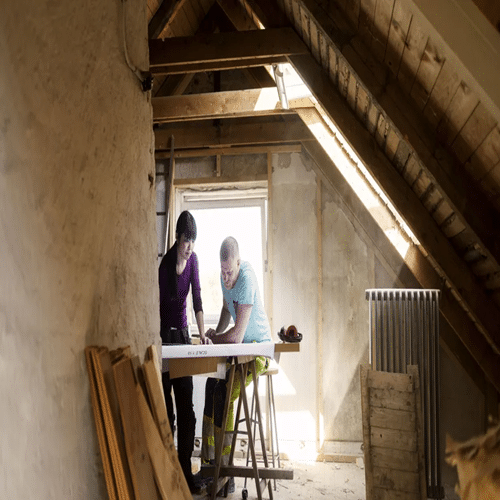
De bouwsector ondergaat een ingrijpende transformatie. Geconfronteerd met klimaatuitdagingen, stijgende energiekosten en de vraag naar woningen zorgen innovatieve en duurzame oplossingen ervoor dat de manier waarop we onze huizen bouwen, renoveren en isoleren.
👉 Ontdek de meest veelbelovende duurzame innovaties die vandaag de dag voor een ommekeer zorgen in de bouwsector.
🔍 Waarom duurzaam bouwen belangrijker is dan ooit
Gebouwen leveren een van de grootste bijdragen aan het wereldwijde energieverbruik en de wereldwijde uitstoot.
- De sector is goed voor ongeveer 40% van het wereldwijde energieverbruik
- Slechte isolatie leidt tot aanzienlijke energieverliezen
- Renovatie is essentieel, aangezien de meeste gebouwen in 2050 nog steeds in gebruik zullen zijn [constructi…urable.net], [aide-sociale.be]
👉 Dit maakt duurzaam bouwen en renoveren tot een topprioriteit, zowel om milieu- als om economische redenen.
🏗️ Een nieuwe kijk op de bouw met innovatieve materialen
Nieuwe materialen zorgen voor een verandering in de manier waarop gebouwen worden ontworpen en gebouwd.
🌿 Biogebaseerde materialen
- Houtvezel
- Hennepisolatie
- Kurkpanelen
Deze materialen zijn hernieuwbaar, milieuvriendelijk en zeer efficiënt voor thermische en akoestische isolatie. [effy.fr]
🧱 Gerecyclede en circulaire materialen
- Hergebruikte bakstenen en beton
- Industrieel afval wordt omgezet in bouwonderdelen
👉 Deze oplossingen ondersteunen een kringloopeconomie, waardoor afval en het verbruik van hulpbronnen worden teruggedrongen.
🧊 Slimmere isolatie: de sleutel tot energie-efficiëntie
Isolatie blijft een van de meest effectieve manieren om het energieverbruik te verminderen.
✅ Voordelen van goede isolatie
- Lagere verwarmings- en koelingskosten
- Meer comfort binnenshuis
- Kleinere CO₂-voetafdruk
Sommige oplossingen kunnen de energiebehoefte voor verwarming verminderen met tot 30%. [constructi…urable.net]
🚀 Innovatieve isolatietechnologieën
- Aerogel (ultralicht, hoogwaardig materiaal)
- Natuurlijke vezels (wol, cellulose, hennep)
- Geavanceerde composietmaterialen
👉 Deze innovaties combineren prestaties met duurzaamheid, in tegenstelling tot traditionele materialen die energie-intensief en minder milieuvriendelijk kunnen zijn. [azocleantech.com]
🌍 Verrassende duurzame oplossingen die voor een doorbraak zorgen
Naast de traditionele benaderingen duiken er enkele innovatieve concepten op:
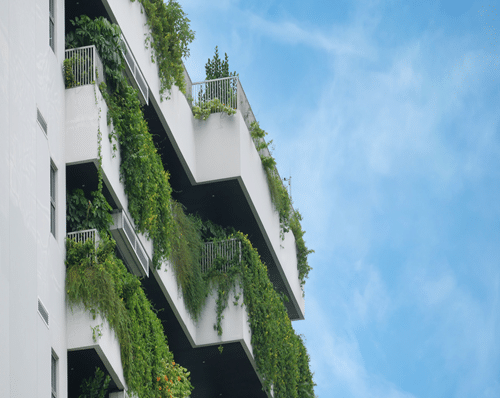
🌿 Groene daken
- Zorgt voor natuurlijke isolatie
- De stedelijke biodiversiteit verbeteren
- De levensduur van het dak verlengen
🍄 Materialen op basis van mycelium
- Gemaakt van paddenstoelen
- Volledig biologisch afbreekbaar
- Lichtgewicht en isolerend
♻️ Materialen voor koolstofafvang
- CO₂ opslaan in bouwelementen
- De milieu-impact tijdens de bouw verminderen
👉 Deze oplossingen laten zien hoe de bouwsector onderdeel kan worden van de een oplossing voor het klimaat, niet het probleem. [ecobuild.brussels]
🏡 Renovatie: de grootste kans
Hoewel nieuwbouw belangrijk is, speelt renovatie een cruciale rol.
👉 Waarom?
- De meeste gebouwen staan er al
- Energiebesparende maatregelen kunnen een enorme impact hebben
- Een renovatie verhoogt het comfort en de waarde van het pand
Innovatieve benaderingen zijn onder meer:
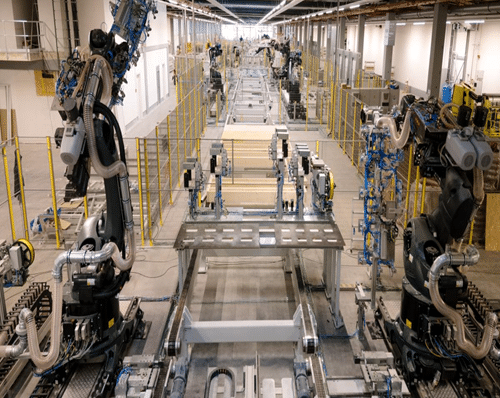
- Modulaire renovatiesystemen
- Geprefabriceerde isolatiepanelen
- Slimme diagnostiek met behulp van digitale hulpmiddelen
👉 Deze methoden maken snellere, schaalbare renovatieprojecten mogelijk.
⚖️ Een evenwicht vinden tussen duurzaamheid en kosten
Een van de grootste uitdagingen is de betaalbaarheid.
- Duurzame materialen kunnen in eerste instantie duurder zijn
- Nieuwe technologieën vereisen investeringen
- De grootschalige invoering is nog in volle gang
👉 De voordelen op lange termijn wegen echter zwaarder dan de kosten:
✔ Lagere energierekeningen
✔ Stijging van de waarde van het onroerend goed
✔ Minder onderhoud
✔ Naleving van toekomstige regelgeving
🚧 Uitdagingen die moeten worden overwonnen
Ondanks veelbelovende innovaties zijn er nog steeds verschillende belemmeringen:
- Technische complexiteit
- Verschillen in regelgeving
- Weerstand tegen verandering in de sector
- Beperkte schaalbaarheid van nieuwe oplossingen
👉 Het overwinnen van deze uitdagingen is essentieel om de overgang naar duurzaam bouwen te versnellen.
✅ Waarom deze innovaties belangrijk zijn
Duurzame bouwoplossingen bieden grote voordelen:
✔ De CO₂-uitstoot verminderen
✔ De energie-efficiëntie verbeteren
✔ Lagere kosten op lange termijn
✔ De levenskwaliteit verbeteren
✔ Ondersteuning van klimaatdoelstellingen
👉 De toekomst van de woningbouw hangt af van de grootschalige toepassing van deze innovatieve oplossingen.
✍️ Conclusie
Van biobased isolatiemateriaal tot materialen die koolstof vastleggen en groene daken: de bouwsector ontwikkelt zich in hoog tempo.
👉 Deze duurzame en soms verrassende oplossingen veranderen de manier waarop we onze huizen renoveren, bouwen en isoleren.
Naarmate de druk om maatregelen tegen klimaatverandering te nemen toeneemt, is het omarmen van innovatie niet langer een keuze, maar een noodzaak.